












Smurfing: What’s behind this money laundering method

Money laundering is a serious crime that has major impacts on society and the economy. There are various methods of money laundering, including smurfing and money mules. In this article, we take a closer look at these methods and discuss the measures taken to combat money laundering.

Key Points at a Glance

  • In smurfing, illegal funds are split into small, seemingly legal transactions.
  • Criminals often use front men or accomplices to withdraw the money or carry out transactions.
  • Smurfing must be reported to the Financial Intelligence Unit (FIU).

Table of Contents

Definition: What is smurfing?

Smurfing, also known as structuring, is a widespread method of money laundering. In this illegal practice, a substantial amount of illegal funds is split into smaller, seemingly legal transactions. Criminals break the money down into smaller amounts and carry out numerous transactions to avoid suspicion from law enforcement authorities. The term “smurfing” is derived from the Smurfs, those fictional blue creatures who live in a large community and consist of many small individuals—similar to how many small amounts of money add up to a considerable sum.This practice is mainly used for amounts over €15,000, as deposits of this size legally require mandatory identification of the depositor and retention of the transaction data for a period of five years. In money laundering, smurfing represents a key process, especially in the first of the three phases of this illegal procedure.

How smurfing works

Smurfing is based on the idea that splitting larger sums of money into smaller amounts attracts less attention. Criminals often use front men or accomplices to withdraw the money or carry out transactions. These accomplices are often referred to as “smurfs” because they carry out small, inconspicuous transactions to launder the illegal money.
Meeting on the impact of smurfing with a laptop showing a data graph

The impact of smurfing on the economy

Smurfing has negative impacts on the economy because it helps finance illegal activities and weakens the legal economy. Using small, seemingly legitimate transactions for money laundering prevents criminal activities from being detected and combated.

Distortion of economic activity

By splitting large sums of money into smaller amounts, the illegal origin of the money is concealed, making it difficult to trace the exact source. This leads to a distortion of economic activity and can result in a misallocation of resources.

Loss of tax revenue

In addition, it is difficult for tax authorities to determine actual income and levy appropriate taxes. This leads to a loss of tax revenue, which is ultimately borne by the general public.

Strengthening organized crime

Another aspect that must be considered with smurfing is the link to other illegal activities. Often, the money laundered through smurfing comes from illegal sources such as drug trafficking, human trafficking, or other criminal activities. By supporting these illegal activities, smurfing contributes to strengthening organized crime and can lead to an increase in violence and insecurity in a society.

How does Nect help?

Accelerate your compliance processes effortlessly and securely: Discover Nect, the proven platform for lawyers, tax advisors, notaries, auditors, and real estate agents. Send us an inquiry and secure access to efficient, secure, and convenient solutions for your clients – use the proven choice of many renowned law firms now.
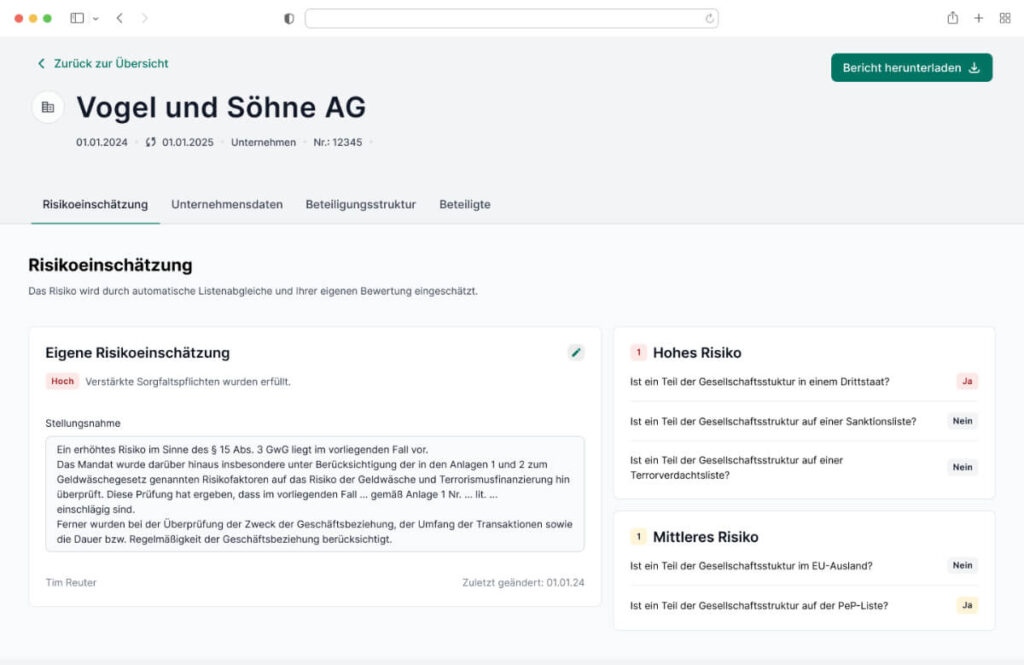
Browser with KYB risk assessment KYC

From when do cash deposits and transfers fall under the smurfing category?

Smurfing can be detected by looking for repeated, unusually small cash deposits or transfers that occur at short intervals. Another indication may be seemingly unrelated individuals carrying out similar transactions.

What should you do if you detect smurfing?

If smurfing appears suspicious, you should immediately report the case to the Financial Intelligence Unit (FIU). The data is submitted digitally via the online platform “goAML”. You should not conduct your own investigations, as this could warn the money launderers and make it harder to secure evidence.

Combating money laundering

To effectively combat smurfing, close cooperation between law enforcement authorities, financial institutions, and other relevant stakeholders is required, as well as improved monitoring and detection of suspicious transactions. In addition, it is important to raise awareness of the risks and impacts of smurfing and to educate the public about the importance of combating money laundering.

Legal measures against money laundering

In Germany, the Money Laundering Act was amended by BaFin in 2017. This law ensures that financial institutions identify their customers, provide a risk assessment, and report suspicious transactions—such as in the form of smurfing. Law enforcement authorities also have dedicated units that deal with combating money laundering.

Preventive measures for financial institutions

Financial institutions and other entities obligated under the GwG are required to take preventive measures to prevent money laundering. These include conducting customer due diligence, monitoring transactions (suspicious transfers, deposits, etc.), training employees to detect suspicious activities, and cooperating with law enforcement authorities. Financial institutions must also implement compliance programs and carry out regular audits to ensure they meet legal requirements.

Money mule: Another method of money laundering

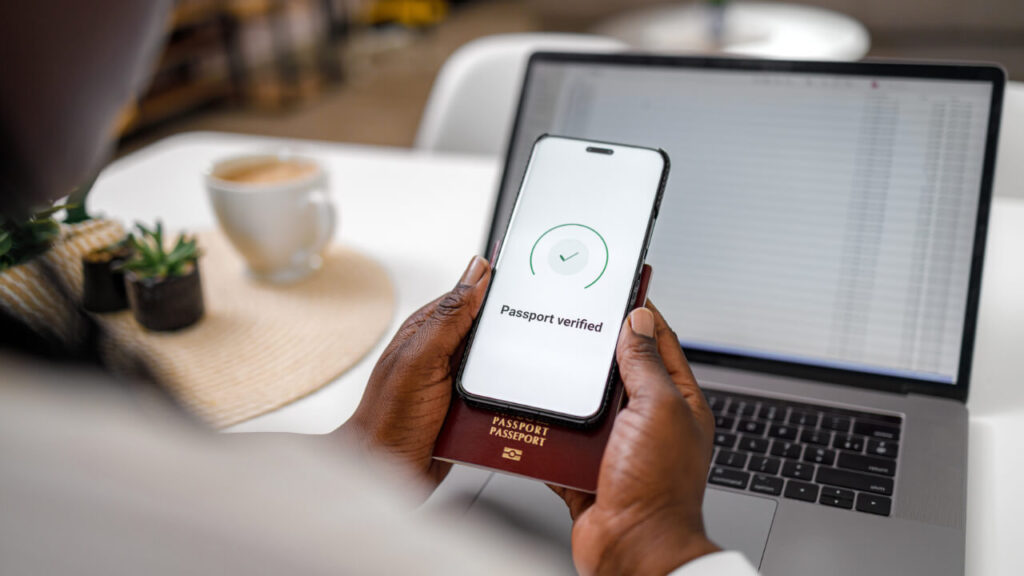
Money mule refers to individuals who make their bank account available to receive or transfer illegal money. These individuals, known as “money mules”, are recruited by criminals, often under false promises of easy money. Money mules play a crucial role in concealing criminals’ money laundering activities.Money mules run major risks when they get involved in such activities. If their actions are discovered, they can be prosecuted—“aiding and abetting money laundering”—and face a lengthy prison sentence. In addition, their financial future can be significantly affected, as they are often involved in illegal schemes and have difficulty opening a normal bank account or obtaining a loan.

Read next article

Let's conNECT!

Hiermit akzeptiere ich die Datenschutzbestimmungen und die AGB.