











Case Study

Digital Identity Meets Vehicle Registration

A practical report from NECT & TÖNJES.

From Analog Counter to Digital Solution

Just a few years ago, vehicle registration was a symbol of analog administrative practice: long waiting times, mountains of paperwork, and numerous visits to the counter. A look at the online dashboard of the Federal Ministry for Digital and Transport shows that between September 2023 and 2025, out of approximately 50 million registration and de-registration processes, 4.8 million – almost ten percent – have already been handled online.

However, it is clear that digitalization has gained momentum, especially in de-registrations from January to 2025: In recent months, around 29% of these processes have already been completed digitally. At the same time, the numbers of fully automated online new registrations are continuously increasing – a beginning that heralds a break with the old counter logic. With the introduction of the latest stage of internet-based vehicle registration in 2023, i.e., i-Kfz Stage 4, the path for a completely digital process was paved – including identification of the vehicle owner and a legally binding signature on the registration documents. This was preceded by i-Kfz Stages 1 to 3, which were implemented between 2015 and 2019.

“Together with Tönjes, we show that vehicle registration can now function fully online, securely, and user-friendly – without media discontinuities and without visiting an authority.”

Benny Bennet Jürgens

CEO & Founder | Nect

Success in Numbers

1 Mio.

digital registration processes
between 2023 and 2025

0 %

of all de-registrations
from January to October 2025 digital
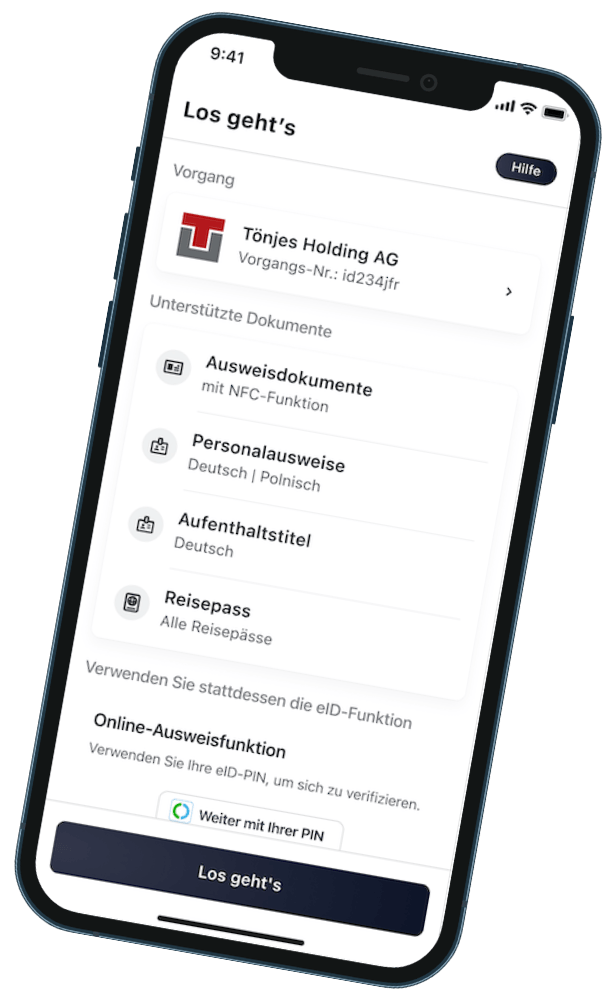
For Tönjes, one of the leading providers in registration services and a registered major customer of the Federal Motor Transport Authority (KBA), this meant that existing analog processes had to be fundamentally rethought and digitized in accordance with legal requirements. New introductions included a major customer interface at the KBA for submitting digital registration applications, the possibility of registration for legal entities, and the application for third parties by certified service providers. Before the collaboration with Nect, identity verification was traditionally carried out at the registration authority. This meant: the vehicle owner presented their ID, and legal entities had to provide additional documents such as commercial register excerpts. Powers of attorney and SEPA mandates were signed by hand.Earlier digital procedures (i-Kfz Stage 1–3) were exclusively usable for natural persons and required additional hardware such as card readers or special apps.
With Nect Ident for personal identification and Nect Sign for qualified electronic signatures (QES), Tönjes has found a solution that overcomes these hurdles – and works for both natural and legal persons. The goal was to establish an end-to-end digital, legally compliant, and user-friendly process. Werner Therman, Project Manager at Tönjes: “With the introduction of digital identification, we were able to significantly improve our processes. Vehicle registration is now much faster, which leads to great customer satisfaction. At the same time, we significantly relieve our administrative staff, as fewer manual steps are necessary. The improved legal certainty through the qualified electronic signature is also particularly important to us – with this, we have created real added value in terms of compliance and security.”

Integration in Practice: A Complex Start
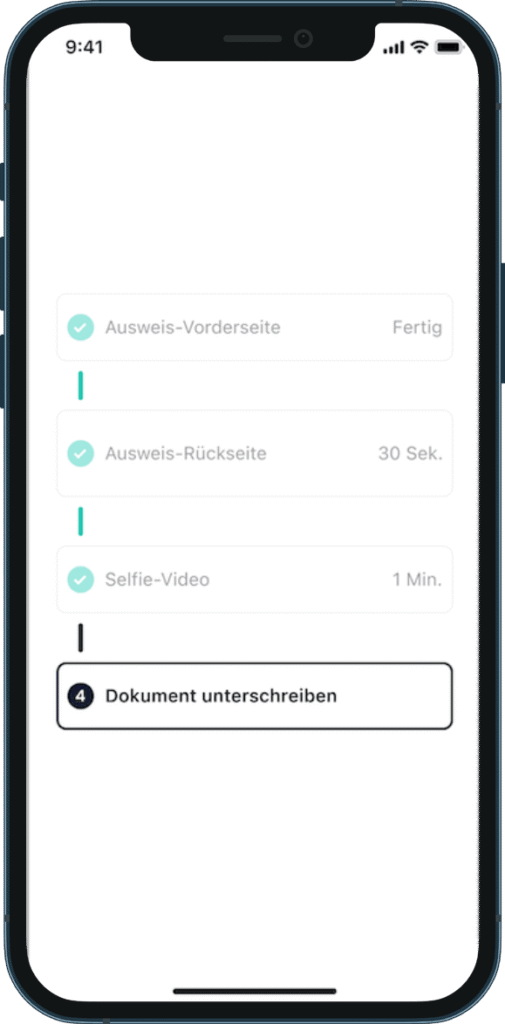
The technical integration of Nect Ident into the Tönjes platform T-Kfz.de was complex and involved significant challenges. Both sides faced a new process that could not simply be completed with a one-time API connection. Instead of a clear “go-live” date, the implementation developed into an iterative project with many adjustments. Tönjes was responsible for the correct transmission of application data, while Nect provided the eIDAS-certified technology for digital identification and signature. The in-house development T-Kfz was also expanded to include the component “digital i-Kfz orders.”
“The number of digital orders increased by 400% compared to the previous year – a clear sign” of growing acceptance among end customers.”

Werner Thermann

Project Manager | Tönjes
The Federal Motor Transport Authority placed extensive demands on major customers: data protection and technical concepts for the major customer interface (GKS) as well as self-commitments for the use of the GKS had to be fulfilled. The registration authorities themselves also had high requirements to meet, such as the minimum security requirements of the BSI. However, by the start on September 1, 2023, around 50% of the authorities were already able to process the new digital business transactions.
With the entry into force, the registration and approval processes for major customers could be started for the first time. The ongoing operation served, in a way, as a pilot in a real environment. In this phase, all parties worked closely together, made intensive adjustments, and optimized practically. In this way, approximately 4,200 processes with 36 active major customers were handled via the new interface in the first four months until the end of 2023. Compared to the 6.8 million processes at the counter, it shows: the digital entry was deliberately cautious – and created a valuable learning curve on which further development could build. Since the legal basis was only created with the entry into force of the new vehicle registration ordinance, operations started as a test in a productive environment.A continuous improvement process was established in regular meetings between Tönjes, Nect, and other project partners, which stabilized and optimized the solution step by step.

Results, Feedback, and Next Steps

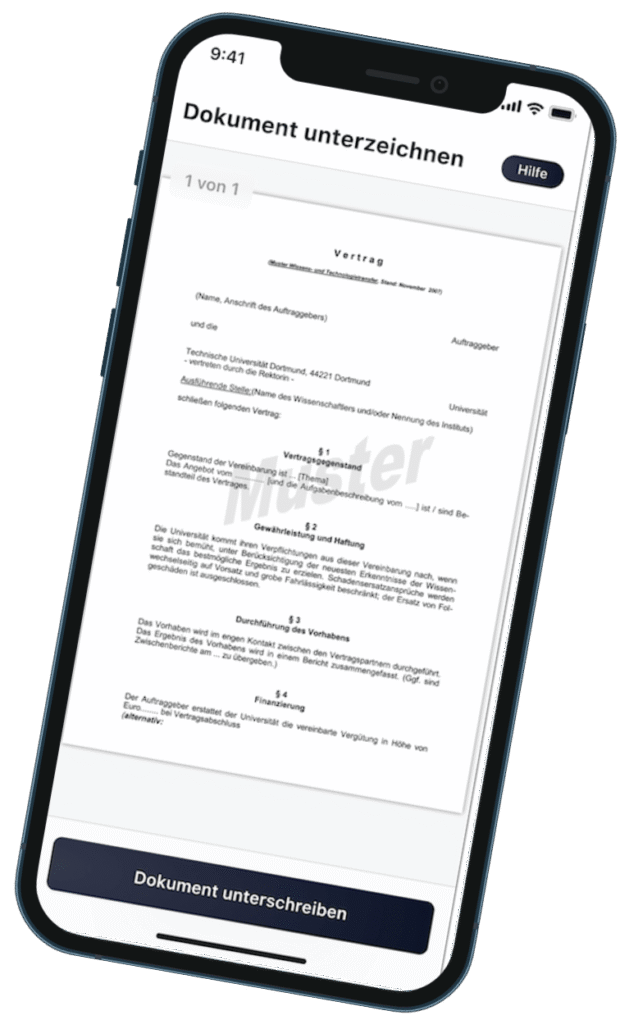
Despite the challenges, the digital solution already shows clear advantages. Vehicle registration is faster, customer satisfaction has increased, administrative staff are relieved, and legal certainty through the qualified electronic signature is significantly improved. The number of digital orders increased by 400% compared to the previous year – a clear sign of growing acceptance among end customers. To date, over 10,000 people have identified themselves with Tönjes and Nect and registered their vehicles digitally. The majority – almost 63% – used fully automated identification via ID scan and selfie video for personal identification. Already 20% have used the Re-Ident procedure – i.e., identification with a previously successfully completed identification via the Nect Wallet.
“The integration of Ident solutions into existing specialized procedures shows that digital identity and electronic signatures are ready for productive use in highly regulated administrative processes.”

Benny Bennet Jürgens

CEO & Founder | Nect

Success in Numbers

over 1 .000
people successfully identified
0 %
use the Re-Ident procedure
Only 13% and 4% used NFC and eID procedures, respectively.However, the feedback is clear: less paperwork, lower official fees, and more trust in digital processes ensure steadily increasing demand. Tönjes is already planning the next step: The new Nect Portal will be tested and used for internal signature processes within the company in the future. Werner Thermann: “The collaboration with Nect works very well – we appreciate the startup spirit with quick improvement processes and open communication.”Digital identification can therefore also be successfully implemented in highly regulated areas such as vehicle registration – with real added value for authorities, companies, and citizens.

Auto Video Ident

63%

Re-Ident

20%

NFC

13%

EID

4%
Percentage distribution of ID procedures used. eID = electronic ID card with a chip; NFC = ePass / ID Cards (eIC); Re Ident = reused Nect ID; Auto Video Ident = Optical procedures, as of October 2025

The most important KPIs at a glance

“The collaboration with Nect works very well – we appreciate the startup spirit with quick improvement processes and open communication.”

Werner Thermann

Project Manager | Tönjes

Digitalization of Vehicle Administration Processes

Progress at Tönjes

Percentage distribution of Ident procedures

63%

of all processes via optical procedures

20%

of all processes via Re Ident

13%

of all processes via NFC

4%

of all processes via EID